

Chimney Cleaning in North Miami Beach: Complete Guide
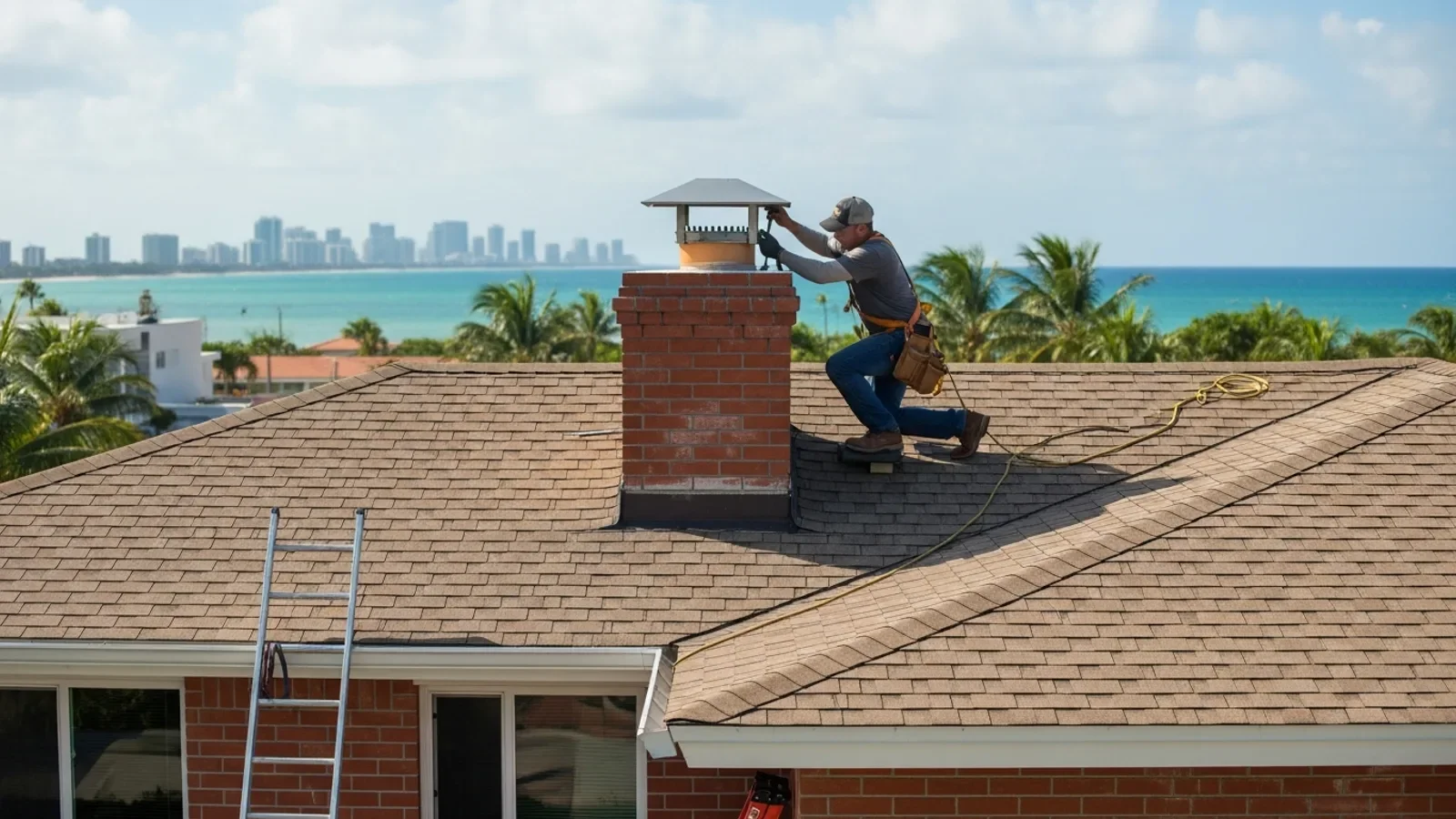
That faint, briny smell drifting through your fireplace opening on a humid August morning is not your imagination. In North Miami Beach, the same salt-laden air that keeps the ocean breezes pleasant is quietly working on your chimney's mortar, liner, and metal components every single day. Regular chimney cleaning is the single most effective way to stay ahead of that damage, protect your home, and keep your fireplace operating safely when you do use it.
Why Chimney Cleaning Matters More on Florida's Coast
Most chimney care guides are written for climates where fireplaces run hard through a long, cold winter. North Miami Beach is a different story. Fireplaces here may only see a handful of fires per season, but the chimney is exposed to coastal conditions year-round. That combination, infrequent use plus constant environmental stress, creates a specific set of problems that routine cleaning and inspection are designed to catch before they become expensive repairs.
Creosote, the oily byproduct of wood combustion, still accumulates even from occasional fires. Because low-temperature, short-duration burns are common in mild climates, the creosote that does form tends to be stickier and harder to remove than the flaky deposits found in high-use northern chimneys. On top of that, moisture infiltrating a chimney that sits idle for months creates ideal conditions for mold growth inside the flue and accelerated corrosion of the damper and firebox components.
A professional chimney sweep addresses both issues at once: removing combustion byproducts and giving a trained eye the chance to spot moisture-related deterioration early. Learn more about scheduling on our chimney cleaning service page.
How Salt Air and Humidity Attack Your Chimney
Understanding the mechanism helps you recognize warning signs sooner. Coastal air carries microscopic salt particles that settle on every exposed surface, including the masonry, flashing, and chimney cap. When those particles absorb moisture from rain or humidity, they form a mild acidic solution that slowly dissolves mortar joints and pits brick faces, a process called efflorescence when the salts migrate to the surface and leave white staining behind.
Inside the flue, humidity condenses on cooler liner surfaces during the long stretches when the fireplace is not in use. That moisture mixes with any residual creosote or soot to form an acidic paste that etches clay tile liners and corrodes stainless steel components over time. A chimney that looks perfectly fine from the street can have significant interior degradation that only a cleaning and inspection will reveal.
The warning signs of salt damage are worth reviewing so you know what to look for between professional visits.
North Miami Beach: Local Conditions That Shape Chimney Care
North Miami Beach sits within Miami-Dade County, roughly two miles from Biscayne Bay and less than five miles from the Atlantic coastline. That proximity means homes here regularly experience salt deposition levels that are measurably higher than inland South Florida communities. The city's housing stock adds another layer of complexity: many properties were built between the 1950s and 1980s, when construction standards for chimney flashing and crown design were less stringent than current codes require.
Older homes in neighborhoods like Ojus, Sans Souci Estates, and the areas surrounding Greynolds Park often have original clay tile liners, single-wythe brick chimneys, and galvanized steel dampers that have been exposed to coastal conditions for decades. These systems need more frequent attention than a newer chimney with a stainless steel liner and a properly sloped concrete crown. Miami-Dade County also enforces its own building code requirements that go beyond the Florida Building Code in several areas; any repair work that emerges from a cleaning inspection should be evaluated against local permit requirements before work begins.
If you want it handled correctly the first time, consider professional chimney sweep in North Miami Beach.
Seasonal timing matters here too. The South Florida rainy season runs roughly June through October, bringing frequent afternoon thunderstorms that drive water directly into chimney openings. Scheduling a chimney cleaning and inspection in late spring, before that rainy season begins, gives you the best chance of catching deterioration before heavy rainfall makes it worse.
What a Professional Chimney Cleaning Covers
A thorough cleaning by a qualified sweep is not simply running a brush through the flue. The process typically includes several interconnected steps:
-
Visual pre-inspection. The technician examines the exterior crown, cap, flashing, and mortar joints before entering the home, noting any obvious deterioration or blockages such as bird nests, which are common in South Florida's year-round warm climate.
-
Firebox and smoke chamber cleaning. Soot and debris are removed from the firebox floor, the smoke shelf behind the damper, and the smoke chamber above it. The smoke chamber is a frequently overlooked area where creosote accumulates and moisture tends to pool.
-
Flue brushing. Rotary or hand brushes sized to the flue dimensions are worked from the firebox upward (or from the top down, depending on the setup) to dislodge creosote and soot from the liner walls.
-
Debris removal. All dislodged material is collected and removed from the home. A professional crew uses drop cloths and containment to keep your living space clean throughout the process.
-
Post-cleaning inspection. With the flue clear, the technician can see the liner condition, damper function, and any cracks or gaps that were hidden behind buildup. This is when moisture damage, spalling tiles, and failed mortar joints are most visible.
The inspection that follows cleaning is what separates a routine maintenance visit from a genuinely protective service. See how to build a year-round maintenance schedule around that annual cleaning visit.
Creosote Buildup in a Coastal Climate: What's Different
Creosote forms in three progressively more hazardous stages. Stage one is a light, dusty deposit that brushes away easily. Stage two is a flaky, tar-like buildup that requires more aggressive brushing. Stage three is a hard, glazed coating that often requires chemical treatment before mechanical removal is possible.
In North Miami Beach, the combination of short, low-temperature fires and high ambient humidity tends to push deposits toward stage two faster than homeowners expect, even with infrequent use. Burning unseasoned or wet wood, which is unfortunately common when wood is stored outdoors in a humid climate without adequate cover, accelerates that progression significantly. Using properly seasoned hardwood and keeping fires burning at a healthy temperature for the full duration of each use are the best habits a homeowner can adopt between professional cleanings.
Our guide to coastal air chimney damage goes deeper on how environmental factors influence creosote chemistry in South Florida conditions.
How Often Should You Schedule Chimney Cleaning in North Miami Beach?
The National Fire Protection Association's standard NFPA 211 calls for chimneys to be inspected at least once per year, with cleaning performed whenever deposits or obstructions are found. For North Miami Beach homeowners, the coastal environment adds a practical reason to hold to that annual schedule even if the fireplace saw only two or three fires during the season.
Many North Miami Beach homeowners rely on expert chimney sweep in North Miami Beach for exactly this.
A useful rule of thumb: if you burned more than a cord of wood in a season, schedule a cleaning before the next season begins. If you burned less, an annual inspection is still warranted to check for moisture infiltration, animal intrusion, and salt-related masonry deterioration. Homeowners who have had chimney repairs, particularly new flashing or crown work, should schedule a follow-up inspection within the first full rainy season to confirm the repairs are holding.
For a more detailed look at what drives the cost of keeping up with these visits, understanding chimney moisture protection cost factors can help you plan your maintenance budget.
Choosing the Right Chimney Sweep for Coastal Conditions
Not every chimney service company has hands-on experience with the specific combination of coastal masonry deterioration, Florida's building code requirements, and the older housing stock common in North Miami Beach. When evaluating a sweep, look for demonstrated familiarity with salt-air environments, a clear process for documenting inspection findings, and transparent communication about what was found and what, if anything, needs follow-up attention.
A credible sweep will not pressure you into repairs during the cleaning visit without providing written documentation of the problem. They will also be able to explain the difference between cosmetic issues, such as minor efflorescence on exterior brick, and structural concerns that require prompt attention, such as a cracked flue tile or failed crown that is allowing water into the chase.
What to look for when choosing a coastal chimney sweep covers the specific questions worth asking before you book a service.
All About Roofs serves North Miami Beach and the surrounding communities with chimney cleaning, inspection, and repair services tailored to South Florida's coastal environment. Contact us to schedule your cleaning and get a clear picture of your chimney's current condition.
Protecting Your Chimney Between Professional Visits
A few practical habits extend the protection a professional cleaning provides:
-
Keep the damper closed when the fireplace is not in use. An open damper is an open door for humidity, insects, and the occasional bird or squirrel. Coastal humidity entering through an open flue accelerates interior corrosion.
-
Install or maintain a quality chimney cap. A cap with a mesh screen keeps rain, animals, and debris out of the flue. In a coastal environment, stainless steel caps hold up significantly better than galvanized options.
-
Store firewood properly. Wood stored outdoors in South Florida's humidity absorbs moisture quickly. Keep it elevated, covered, and away from the home's exterior walls. Burning dry, seasoned wood reduces creosote formation and makes each fire more efficient.
-
Check the exterior after major storms. After a tropical storm or hurricane, inspect the chimney cap and visible crown from ground level. High winds can dislodge caps and crack crowns, creating immediate water infiltration pathways.
Ready for the next step? Learn how chimney sweep services in North Miami Beach can help and reach out to the team.
None of these steps replace a professional cleaning and inspection, but they meaningfully reduce the rate at which problems develop between visits.
Frequently Asked Questions
How do I know if my chimney needs cleaning if I only used the fireplace a few times?
Infrequent use does not prevent buildup or deterioration. Even a small number of fires can produce enough creosote to warrant cleaning, and a chimney that sits idle through a humid South Florida summer accumulates moisture damage regardless of how often it was used. An annual inspection is the most reliable way to know where things stand.
Can salt air damage a chimney that has a stainless steel liner?
A stainless steel liner is significantly more resistant to corrosion than clay tile, but it is not immune to salt air effects. The exterior masonry, crown, cap, and flashing are all still vulnerable to salt deposition and moisture infiltration. Regular cleaning and inspection of the full chimney system, not just the liner, remains important even with a modern liner installed.
Is chimney cleaning messy? Will it affect the rest of my home?
A professional crew uses drop cloths, containment sheeting, and a HEPA-filtered vacuum to capture debris as it is dislodged. When the job is done correctly, there should be no soot or ash residue left in your living space. It is reasonable to ask any sweep you are considering how they handle dust and debris containment before booking.
What happens if I skip chimney cleaning for a couple of seasons?
In a coastal climate like North Miami Beach, skipping cleaning for multiple seasons allows creosote deposits to harden into more difficult-to-remove stage two or stage three buildup. More critically, moisture-related deterioration, such as cracked tiles, failed mortar, and corroded dampers, progresses unchecked. Problems that would have been simple maintenance items after one season can become structural repairs after two or three.
Does All About Roofs handle chimney cleaning for both wood-burning and gas fireplaces?
Yes. Gas fireplaces produce different byproducts than wood-burning units, but they still benefit from annual inspection and cleaning of the firebox and venting components. Coastal humidity and salt air affect gas fireplace systems just as they do wood-burning chimneys, particularly the venting hardware and any masonry surrounding the unit.
Do I need a permit for chimney cleaning in North Miami Beach?
Routine cleaning and inspection do not typically require a permit. However, if the inspection reveals repair work, such as relining, crown replacement, or masonry rebuilding, permit requirements vary by the scope of work and Miami-Dade County codes. Your sweep should be able to advise you on what, if any, permits apply to recommended repairs, and you can confirm requirements with the county building department.