

Choosing a Chimney Sweep in North Miami Beach, FL
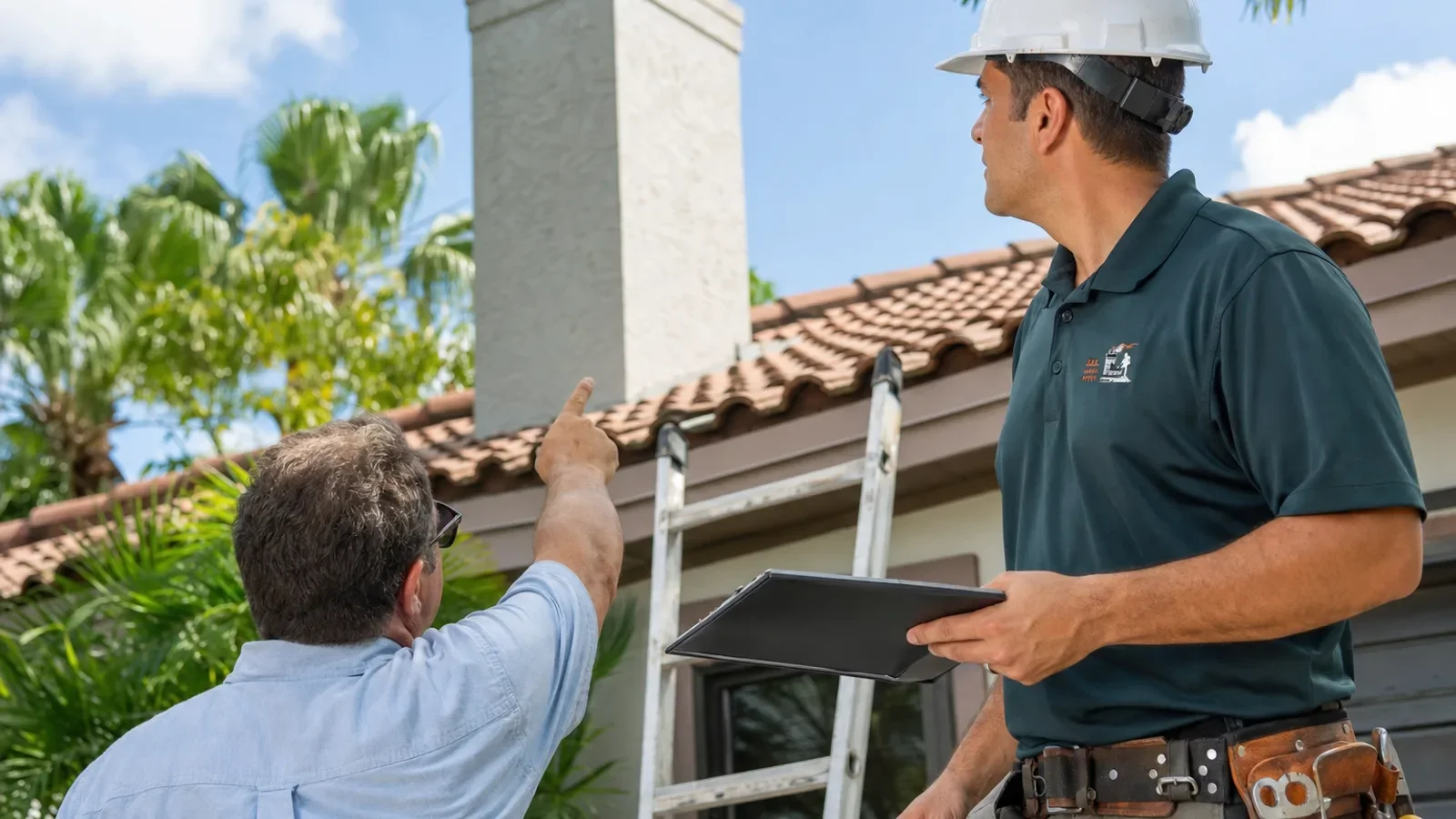
Most homeowners assume any licensed chimney sweep is qualified to service a fireplace near the ocean. The reality in North Miami Beach is more specific than that. Salt-laden air, year-round humidity above 70%, and the occasional hurricane-force wind exposure create deterioration patterns that differ significantly from what a contractor trained in a dry inland climate would typically encounter. Choosing the wrong service provider here does not just mean a missed cleaning, it can mean overlooked corrosion, missed liner cracks, or a crown that fails before the next rainy season.
This guide walks through the two main categories of chimney service providers available to South Florida homeowners, compares them across the criteria that matter most in a coastal environment, and helps you ask the right questions before anyone climbs onto your roof. If you want to understand why the coastal environment demands this level of scrutiny in the first place, the North Miami Beach chimney cleaning guide covers the underlying salt-air and moisture science in detail.
Option A: General Chimney Sweep Services (Non-Coastal Specialists)
General chimney sweeps typically hold a national certification, carry liability insurance, and follow a standard cleaning protocol: brush the flue, vacuum the firebox, inspect visible components, and issue a report. For a fireplace in a dry inland climate, this approach covers most of what a homeowner needs.
In North Miami Beach, the gaps become apparent quickly. A standard inspection checklist may not include a close evaluation of the mortar joints for salt crystallization damage, which is a process called efflorescence that weakens the bond between masonry units over time. It may not include a moisture reading of the flue liner or a check for rust staining at the smoke chamber, both of which are early signals of the kind of damage that accelerates in South Florida's climate. General providers are not necessarily doing anything wrong; their training was simply built around a different set of environmental conditions.
The practical result is that a homeowner can receive a clean bill of health from a well-meaning contractor who missed the early signs of coastal deterioration. By the time the damage becomes visible, the repair scope is often considerably larger than it would have been with earlier detection.
Option B: Coastal-Experienced Chimney Services in South Florida
A contractor with genuine coastal experience in the South Florida market approaches a chimney differently from the first step. They understand that the combination of salt aerosols, standing humidity, and the thermal cycling caused by warm days and air-conditioned interiors creates stress on masonry and metal components that compounds over time.
Practically, this means their inspection protocol includes components that a standard checklist might skip: the chimney cap's resistance to corrosion, the flashing condition at the roofline (a critical intersection in a region that sees heavy seasonal rainfall), the liner's integrity against moisture intrusion, and the crown's ability to shed water away from the masonry. They also understand how infrequently most South Florida fireplaces are used, which affects the type of buildup present and the appropriate cleaning approach.
For homeowners who want to understand what specific damage patterns to watch for before scheduling a service, recognizing salt damage on a chimney provides a useful visual and structural reference.
A coastal-experienced provider will also be familiar with local building expectations and the seasonal timing that makes the most sense for North Miami Beach, specifically scheduling work outside of peak hurricane season where possible and ensuring all exterior components are sealed before the summer storm period begins.
Comparing Your Options: What Actually Matters in North Miami Beach
The table below compares general and coastal-experienced chimney services across the criteria most relevant to homeowners within a few miles of Biscayne Bay.
| Criteria | General Chimney Sweep | Coastal-Experienced Service |
|---|---|---|
| Salt-air corrosion assessment | Rarely included in standard checklist | Part of routine inspection protocol |
| Moisture intrusion detection | Visual check only, may miss early signs | Includes liner and mortar joint evaluation for moisture damage |
| Flashing and roofline inspection | Basic visual assessment | Detailed check given South Florida's heavy rainfall exposure |
| Chimney cap and crown condition | Noted if visibly broken | Evaluated for coastal material suitability and seal integrity |
| Seasonal timing guidance | Generic annual or biannual recommendation | Aligned with South Florida's rainy season and storm calendar |
| Familiarity with local housing stock | Variable; may not know regional construction norms | Experienced with North Miami Beach's mix of mid-century masonry and newer builds |
If you want it handled correctly the first time, consider professional chimney sweep in North Miami Beach.
The North Miami Beach Housing Context: Why It Shapes Your Decision
North Miami Beach's residential stock is a mix of mid-century masonry homes built in the 1950s through 1970s and a newer wave of construction that picked up after the post-Andrew building code revisions of the mid-1990s. These two eras of construction present different chimney challenges.
Older masonry fireplaces in the area were built with materials and mortar formulations that were not designed with long-term salt exposure in mind. Decades of coastal air have worked into the joints, and many of these chimneys are now at the stage where maintenance is the difference between a manageable repair and a full rebuild. The flue tiles in these older systems may also be original, meaning they have absorbed years of thermal cycling and moisture.
Newer homes in North Miami Beach sometimes feature prefabricated fireplace systems, which have their own set of coastal vulnerabilities, particularly around the metal components of the firebox and the chase cover. These systems require a contractor who knows the difference between the maintenance needs of a factory-built unit and a traditional masonry structure.
The proximity to the Intracoastal Waterway and the Atlantic means that even homes a mile or two inland experience meaningful salt deposition on exterior surfaces. A contractor who works regularly in this specific geography will have calibrated their inspection approach accordingly, rather than applying a one-size approach from a less demanding climate.
For a full picture of how to build a maintenance schedule around North Miami Beach's seasonal patterns, a South Florida chimney maintenance calendar walks through the timing in detail.
Questions to Ask Before You Book a Chimney Sweep
The hiring conversation is where you can quickly separate contractors who understand the local environment from those who do not. These questions are worth asking directly:
-
Do you regularly service chimneys within a few miles of the coast? A contractor who primarily works in inland Broward or Miami-Dade will have limited exposure to the salt-air deterioration patterns common in North Miami Beach.
-
What does your inspection include beyond the flue and firebox? Listen for mentions of the crown, cap, flashing, and mortar joints. These are the components most vulnerable to coastal conditions.
-
Are you certified through CSIA or a comparable professional body? Certification is a baseline indicator of training, not a guarantee of coastal expertise, but it matters as a starting point.
-
How do you handle moisture-related findings? A contractor who can explain the difference between surface staining and active moisture intrusion is demonstrating the kind of diagnostic depth that protects South Florida homeowners.
-
Can you provide a written inspection report? Documentation matters, both for your own records and for any insurance or real estate purposes down the line.
-
What is your approach to chimney cleaning for a fireplace that is used infrequently? Many North Miami Beach fireplaces are used only a handful of times per year. A knowledgeable contractor will adjust their cleaning protocol accordingly, since the buildup profile is different from a fireplace in a cold-weather market.
If the answers feel generic or the contractor seems unfamiliar with coastal-specific concerns, that is useful information. The professional chimney cleaning services at All About Roofs are built around the specific conditions of North Miami Beach, not a national template.
Which Type of Service Is Right for North Miami Beach Homes?
For most homeowners in North Miami Beach, the answer is clear: the coastal environment here is specific enough that a contractor with genuine South Florida experience will deliver a more complete and useful service than a general sweep applying an inland checklist.
Many North Miami Beach homeowners rely on expert chimney sweep in North Miami Beach for exactly this.
That does not mean every general contractor will miss something critical. But the risk profile is different when your chimney sits within a few miles of salt water, in a climate that does not give masonry a dry season to recover. The stakes of a missed inspection finding are higher here than in most other parts of the country.
Homeowners who have already noticed surface staining, rust marks near the damper, or mortar that looks powdery or recessed should treat those as signals to schedule a professional evaluation soon rather than waiting for an annual cycle. The effects of coastal air on chimney materials explains why early-stage damage progresses faster in humid salt-air environments.
For those who want a cleaner framework for how often to schedule service and what to check between professional visits, the factors that affect chimney moisture protection costs adds useful context for budgeting maintenance over time.
Frequently Asked Questions
Does a fireplace used only a few times a year still need regular chimney cleaning?
Yes, and in North Miami Beach the reasoning is partly about creosote but more about moisture and salt exposure. Even an unused flue accumulates humidity, and the metal components of the cap and damper are exposed to coastal air year-round regardless of how often the fireplace is lit. An annual inspection at minimum helps catch deterioration before it becomes a structural issue.
What certifications should a chimney sweep in North Miami Beach hold?
CSIA (Chimney Safety Institute of America) certification is the most widely recognized professional credential in the industry. It covers inspection standards, cleaning protocols, and safety practices. Certification is a useful baseline, but you should also ask about the contractor's specific experience with coastal South Florida conditions, since certification programs do not focus on regional climate variables.
How do I know if a chimney sweep is giving me an accurate assessment versus upselling repairs?
Ask for a written report with photographs of any findings. A credible contractor will be able to show you the specific location and nature of any issue they identify. If a recommendation is made for repair work, ask what happens if the issue is left unaddressed for one season, which helps you understand whether it is urgent or a longer-term maintenance item.
Is chimney flashing inspection part of a standard cleaning visit?
It should be, especially in South Florida. Flashing is the metal seal where the chimney meets the roofline, and it is one of the more common entry points for water in a region with heavy seasonal rainfall. Not every contractor includes it in a basic sweep, so it is worth asking explicitly before you book.
Can I schedule chimney service any time of year in North Miami Beach?
Technically yes, but the most practical window is late fall through early spring, before the summer rainy season and outside of peak hurricane season. Scheduling in this window means any exterior sealant or repair work has time to cure properly before the heaviest rain and wind exposure of the year.
What is the difference between a chimney sweep and a chimney inspection?
A sweep focuses on removing combustion byproducts like creosote and soot from the flue and firebox. An inspection evaluates the structural and functional condition of the entire chimney system, including components that a cleaning visit may not specifically address. In North Miami Beach, the two services complement each other, and many homeowners benefit from scheduling both together so that any cleaning-related findings can be documented in the same visit.