

Chimney Waterproofing Cost Factors in North Miami Beach
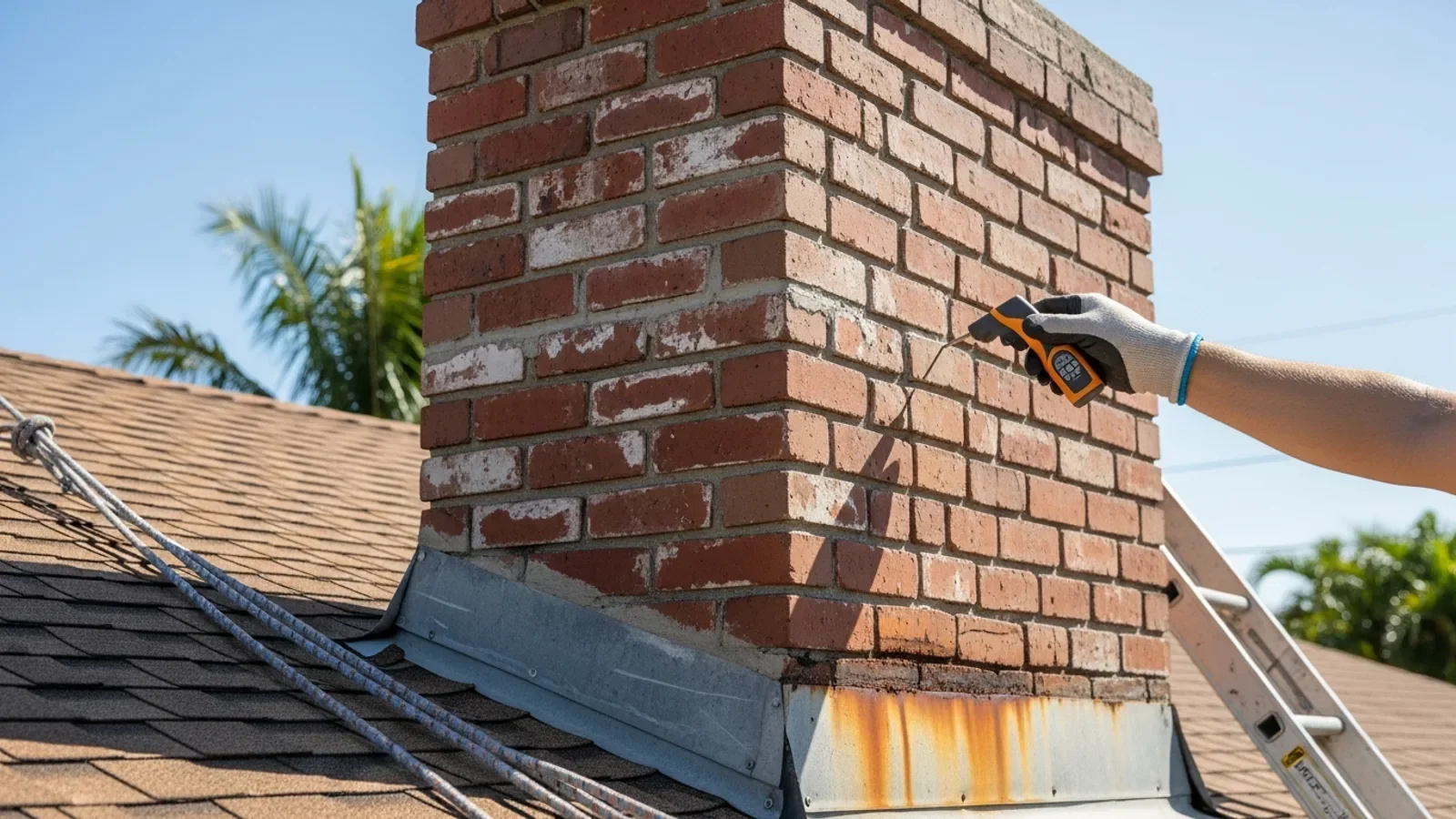
You notice a faint rust stain spreading down the brick above your fireplace, or a damp smell after a coastal storm rolls through North Miami Beach. Before you call anyone, it helps to understand what actually drives waterproofing and moisture-protection costs in this market, so you can ask the right questions, read a quote clearly, and avoid paying for work you do not need.
1. Chimney Condition Before Any Sealant Is Applied
-
Assess the current level of creosote and soot buildup, a thorough chimney cleaning service must be completed before any waterproofing product is applied, because sealants bond poorly to dirty masonry and can trap corrosive residue beneath the surface.
-
Identify existing cracks in the crown, mortar joints, or flue tiles, because sealant applied over active cracks provides only temporary protection and leads to repeat repairs.
-
Check whether the flashing is intact and properly sealed where the chimney meets the roofline, damaged flashing is a separate repair that affects the overall scope of the moisture-protection project.
-
Note any spalling (flaking or popping brick faces), which signals that water has already penetrated the masonry and may require repointing or brick replacement before waterproofing makes sense.
-
Confirm whether a chimney cap is present and undamaged, a missing or cracked cap allows direct water entry that no sealant on the exterior can fully offset.
2. Chimney Size, Height, and Accessibility
-
Measure the total exterior surface area of the chimney, because sealant coverage is calculated by square footage and larger chimneys require more material and labor time.
-
Factor in chimney height above the roofline, taller chimneys require additional staging or ladder setups, which adds labor complexity regardless of the sealant chosen.
-
Consider roof pitch: a steep or flat roof in North Miami Beach affects how safely and quickly a crew can work around the chimney base, influencing the time billed for the job.
-
Account for multiple flues, a chimney with two or more flue openings has more crown surface to seal and more liner entry points to inspect and protect.
-
Note any obstructions near the chimney (overhanging trees, satellite dishes, HVAC equipment) that require extra maneuvering time during the service visit.
3. Type and Grade of Waterproofing Product
-
Distinguish between penetrating sealants (which soak into masonry pores) and surface coatings (which form a film on top), penetrating products generally offer longer-lasting protection in humid coastal environments but carry a higher material cost.
-
Confirm the product's vapor permeability rating: a breathable, vapor-permeable sealant allows trapped moisture to escape outward, which is critical in South Florida's humid climate where sealing moisture inside the masonry accelerates damage.
-
Ask about the product's UV and salt-resistance ratings, because North Miami Beach's combination of direct sun exposure and salt-laden air degrades standard sealants faster than in inland markets.
-
Verify how many coats are recommended by the manufacturer for your specific masonry type, some brick compositions require two or three coats for adequate penetration, increasing both material and labor costs.
-
Understand warranty terms tied to the product: longer manufacturer warranties sometimes require certified application methods, which may affect which contractors are eligible to apply the product.
4. Repair Scope Discovered During Inspection
If you want it handled correctly the first time, consider professional chimney sweep in North Miami Beach.
-
Repointing (tuckpointing) deteriorated mortar joints is often identified during a pre-waterproofing inspection, this is billed separately from the sealant application and the extent of joint deterioration directly drives that line item.
-
Crown rebuilding or patching adds to the overall project cost; a cracked or crumbling crown cannot simply be sealed over without structural repair first.
-
Flue liner condition matters even for exterior waterproofing projects, because a cracked liner can allow combustion gases and moisture to migrate into the chimney structure from the inside, see warning signs of salt-damaged chimney masonry for a full breakdown of what inspectors look for.
-
Chimney cap replacement, if needed, is typically quoted as a separate line item but is best completed at the same visit to avoid a second mobilization charge.
-
Flashing repair or replacement is a distinct scope of work from masonry waterproofing and should appear as its own line in any honest quote.
5. North Miami Beach-Specific Considerations
-
Salt air accelerates masonry corrosion at a rate that inland Florida homeowners do not experience, properties within roughly a mile of Biscayne Bay or the Atlantic coastline typically show measurable mortar deterioration faster than the same chimney design would in, say, Orlando or Tampa.
-
North Miami Beach's building stock includes a significant number of mid-century masonry homes built in the 1950s through 1970s, many of which used mortar mixes that are now well past their expected service life and require repointing before any sealant is effective.
-
Miami-Dade County's hurricane building codes affect chimney cap and crown standards, any crown repair or cap installation should meet current wind-load requirements, and requirements vary, so confirming compliance with a licensed professional is important before finalizing scope.
-
South Florida's near-constant humidity means chimneys that are used infrequently still accumulate moisture-related damage; even a decorative or rarely-used fireplace in North Miami Beach benefits from the same waterproofing assessment as one used regularly.
-
Seasonal storm patterns (Atlantic hurricane season running June through November) mean the best window for exterior masonry work and sealant application is typically the drier winter months, scheduling during that window can sometimes affect contractor availability and lead times.
-
Local water quality and irrigation habits (many North Miami Beach properties use lawn irrigation that contacts the chimney base) can introduce additional ground-level moisture wicking into the masonry from below, a factor that some contractors overlook when scoping a waterproofing job.
-
If your property is in a flood zone, check whether your homeowner's insurance policy has any requirements or exclusions related to masonry maintenance, this is not legal advice, and coverage terms vary widely, but it is worth reviewing before scheduling major chimney work.
For a broader picture of how salt air and humidity affect chimney structures over time, the guide on how coastal air damages chimney masonry covers the deterioration timeline in detail.
6. Contractor Qualifications and Scope Documentation
-
Verify that any contractor quoting waterproofing work also performs the pre-application chimney cleaning, skipping this step is the most common reason sealant applications fail prematurely.
-
Request an itemized written quote that separates cleaning, inspection, repair, and sealant application into distinct line items, so you can compare bids on equal terms rather than comparing lump sums.
-
Ask whether the inspection is included in the project scope or billed separately, a thorough inspection before quoting repair and waterproofing work is standard practice and protects both parties.
-
Confirm the contractor carries current liability insurance and is licensed to work in Miami-Dade County, chimney work that involves roofline access falls under contractor licensing requirements that vary by scope.
-
Ask how long the sealant application needs to cure before rain exposure, in North Miami Beach, where afternoon showers are common even in the dry season, scheduling and cure time are practical concerns that affect project planning.
-
Clarify who is responsible for post-application inspection: some contractors include a follow-up visit to confirm coverage and adhesion; others do not, and this affects the value of any workmanship warranty offered.
-
Review the maintenance schedule recommended after waterproofing, understanding how often reapplication is expected in a coastal South Florida environment helps you budget accurately over time. The full coastal chimney maintenance schedule for Florida homeowners provides a year-by-year reference.
Many North Miami Beach homeowners rely on expert chimney sweep in North Miami Beach for exactly this.
7. Comparing Quotes Without Getting Misled
-
Confirm that every quote covers the same scope: cleaning, inspection findings, repairs, product type, number of coats, and follow-up, a low bid that omits the cleaning or uses a single coat of a budget sealant is not comparable to a comprehensive proposal.
-
Ask each contractor to specify the sealant brand and product name so you can verify its performance ratings independently through manufacturer documentation.
-
Be cautious of quotes that skip the inspection phase and go straight to a price, in North Miami Beach's coastal environment, the true scope of moisture damage is rarely visible from the ground and requires close-up assessment.
-
Understand that mobilization costs (getting a crew and equipment to your property) are a real component of any service visit, and bundling chimney cleaning, inspection, and waterproofing into a single visit is almost always more economical than scheduling each separately.
-
Ask about the contractor's experience specifically with coastal masonry in South Florida, the products and techniques appropriate for a dry inland climate are not always the right choice for a chimney three blocks from the water in North Miami Beach.
Frequently Asked Questions
Does chimney waterproofing replace the need for regular chimney cleaning?
No. Waterproofing and chimney cleaning serve different purposes and neither substitutes for the other. Sealants protect the exterior masonry from moisture penetration, while cleaning removes creosote, soot, and debris from the flue interior. In fact, professional chimney cleaning must be completed before any sealant is applied, because residue on the masonry surface prevents proper bonding and can trap corrosive material beneath the coating.
How often does chimney waterproofing need to be reapplied in North Miami Beach?
Reapplication frequency depends on the product used, the chimney's sun and salt-air exposure, and how well the initial prep work was done. In North Miami Beach's coastal environment, penetrating sealants generally hold up for several years before reapplication is warranted, but a qualified inspector should assess the surface condition at each annual maintenance visit rather than relying on a fixed calendar interval.
Can I waterproof my chimney myself to save money?
Consumer-grade masonry sealants are available at hardware stores, but applying them without first completing a professional inspection and cleaning risks sealing in existing moisture, missing active cracks, or using a product not rated for the salt-air exposure levels common near the North Miami Beach coastline. For a decorative or infrequently used fireplace, the consequences of an improper application may not be immediately obvious, but they tend to surface as accelerated spalling or mortar failure within a few seasons.
The bottom line: chimney waterproofing cost in North Miami Beach is driven by the condition of the masonry, the size and accessibility of the chimney, the product selected, and the repair scope uncovered during inspection. Getting that sequence right, starting with a professional cleaning and honest inspection, is what separates a durable result from a temporary fix. Ready to get an accurate scope for your chimney? Schedule a chimney inspection and cleaning with All About Roofs and get a clear, itemized picture of what your chimney actually needs.
Continue reading