
Service
Chimney Inspection in North Miami Beach, FL
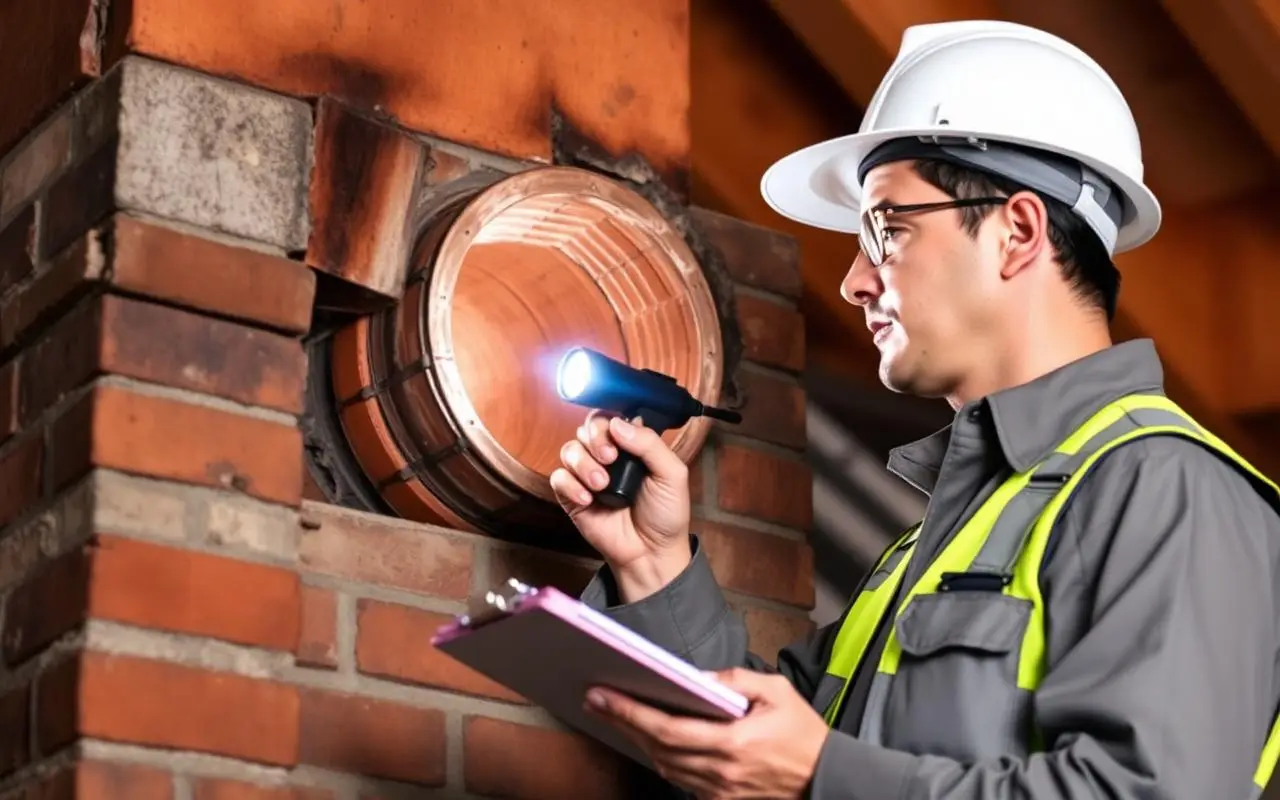
An inspection tells you whether your chimney is safe to use and what, if anything, needs attention. We follow the inspection levels of NFPA 211, the national standard for chimneys and fireplaces, and give you photos and a plain written summary.
- NFPA 211 inspection levels
- Photos of what we find
- Home sale and post storm checks
Chimney Inspection
When you should book an inspection
NFPA 211, the standard most fire officials and insurers rely on, says chimneys, fireplaces and vents should be inspected at least once a year. Beyond that yearly check, some moments call for a closer look.
In North Miami Beach these are the situations we are called for most often.
- You are buying or selling a home with a fireplace
- A hurricane or tropical storm passed through and you want to know if the chimney took damage
- You have not used the fireplace in years and want to light it again
- You noticed a leak, a smell, smoke in the room or pieces of masonry on the roof
- You changed fuel, added an insert or replaced a gas appliance that vents through the chimney
- There was a chimney fire, even a small one
Why it matters
What you get with Chimney Inspection
Clear findings
You get photos and a written summary in plain language: what is in good shape, what needs attention now and what can wait. No pressure to fix anything on the spot.
Safety first
We look for the problems that matter most: cracks in the flue, gaps that let heat reach the framing, blockages and anything that could push smoke or carbon monoxide back into the house.
Licensed contractor
If the inspection turns up a repair, it can be done under the same Florida certified general contractor license, CGC1510833, so one company sees the problem through.
The three inspection levels
NFPA 211 describes three levels of chimney inspection. The level depends on your situation, not on a sales script.
- Level 1: the yearly check of the readily accessible parts of the chimney, the fireplace and the connection, for a system that is in regular use and has not changed
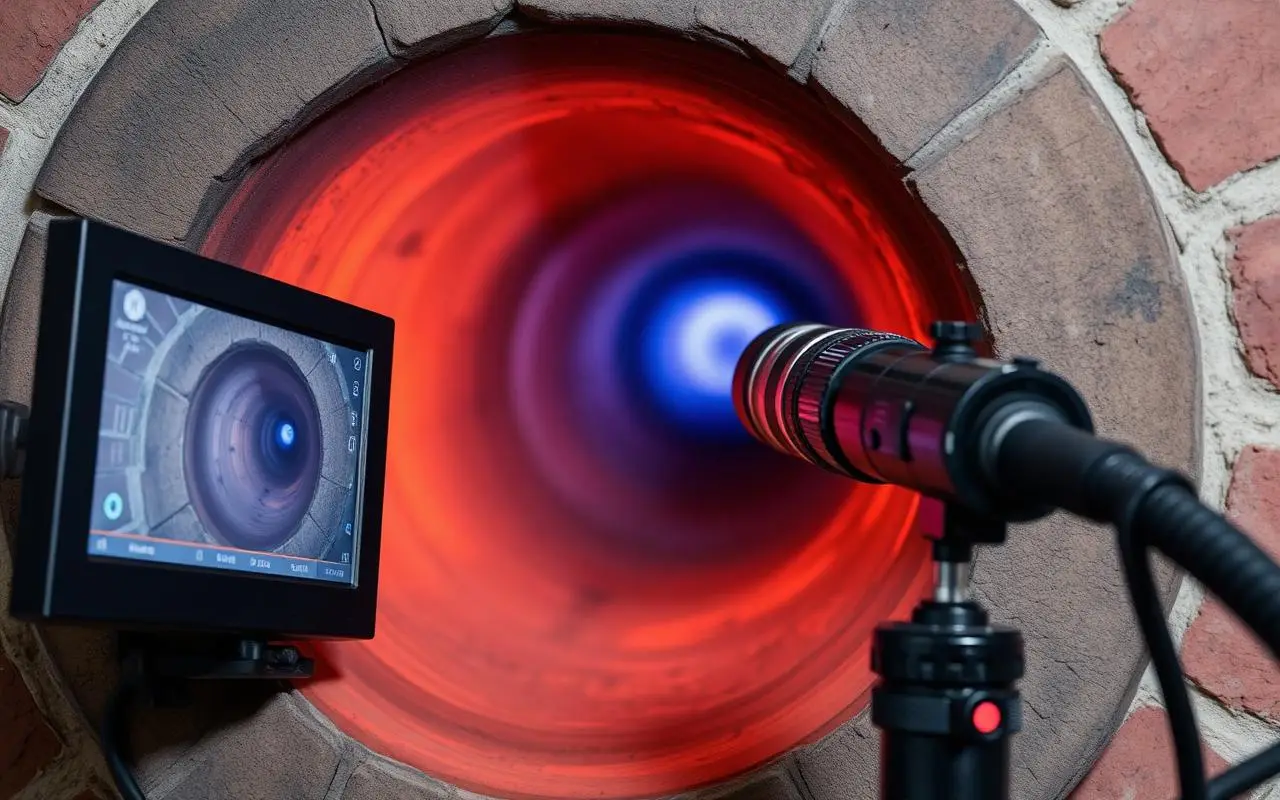
- Level 2: everything in Level 1 plus the accessible parts of the attic, crawl spaces and roof, and a video scan of the flue. It is called for when a property is sold, after a storm or a chimney fire, or when the system is changed
- Level 3: used only when a serious hidden problem is suspected and it cannot be confirmed without opening part of the structure. We explain why before recommending it
What we look at
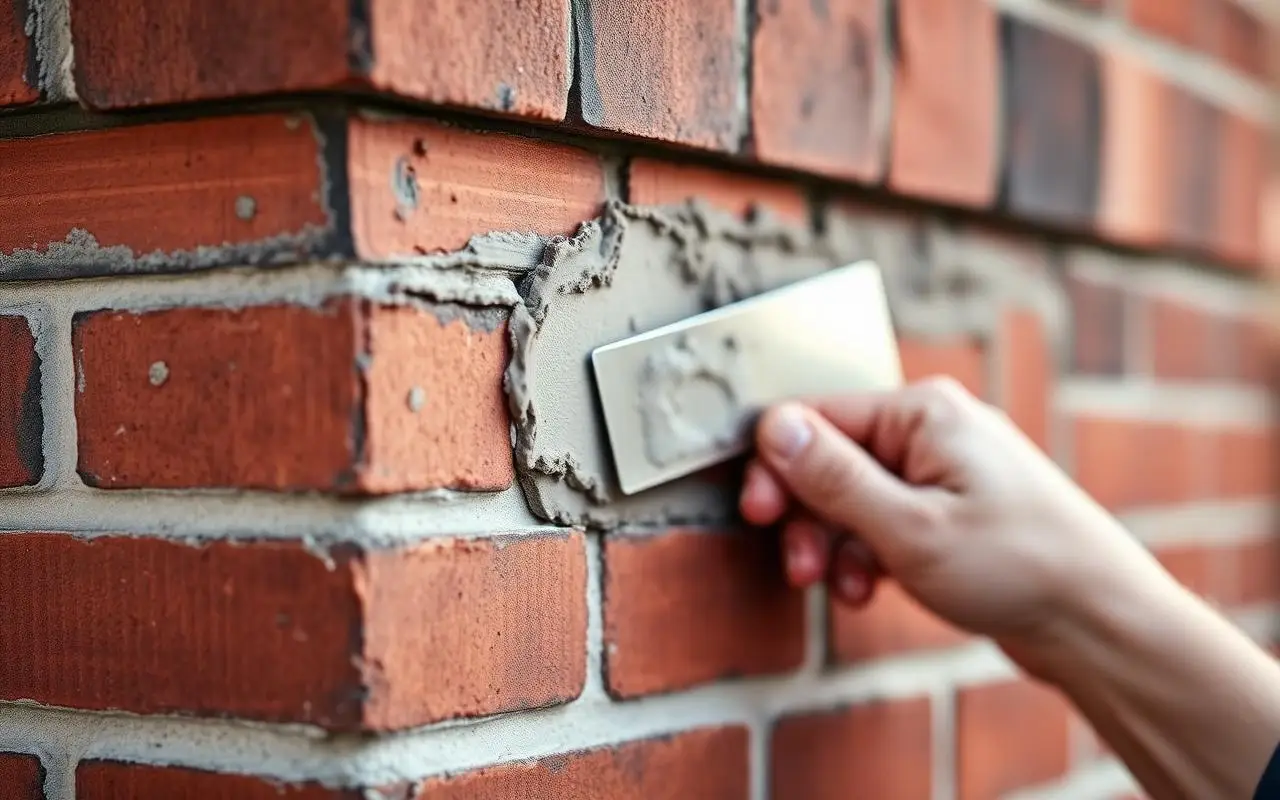
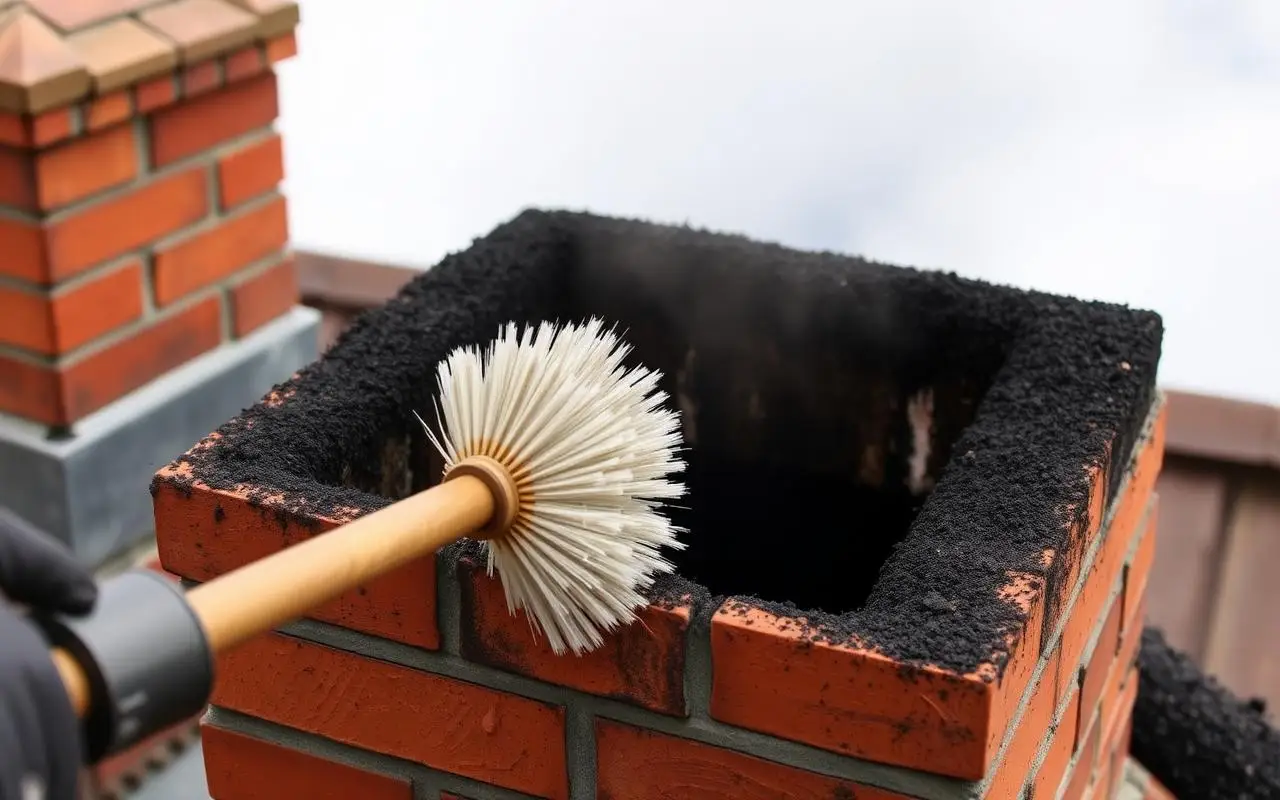
On the roof we check the crown, the cap, the flashing, the brick or siding and the mortar joints. Inside we look at the firebox, the damper, the smoke chamber and the flue liner. We also check clearances to wood framing where we can see them, and the connection of any gas appliance that vents through the chimney.
Carbon monoxide and your chimney
Carbon monoxide has no color and no smell. A flue blocked by a nest or debris, or a cracked liner, can send it back into the living space instead of out through the top of the chimney. Gas fireplaces and other gas appliances are not exempt, which is why their vents are part of every inspection we do.
If your carbon monoxide alarm sounds, leave the house and call 911 first. Once the home is safe, an inspection helps find out why it happened.
Questions
Chimney Inspection questions
What is the difference between a Level 1 and a Level 2 chimney inspection?
A Level 1 covers the parts you can reach without tools in a system that has not changed. A Level 2 adds the attic, crawl space and roof areas around the chimney and a video scan of the inside of the flue. A home sale, a storm or a change to the system calls for Level 2.
Do I need a chimney inspection to sell my house?
Florida does not require one by law, but NFPA 211 recommends a Level 2 inspection when a property changes hands, and many buyers and home inspectors ask for it. Having it done before listing avoids surprises late in the sale.
Should I have my chimney inspected after a hurricane?
Yes, especially if you see debris on the roof or new stains inside. Wind can bend or tear off caps, crack crowns and loosen flashing, and the damage often shows up only when the next heavy rain arrives.
Will you clean the chimney during the inspection?
An inspection and a sweep are separate services, but they are often booked together, because a clean flue is easier to inspect. If the flue is heavily coated we will recommend sweeping it first.
Do gas fireplaces need inspections?
Yes. Gas burns cleaner than wood, but vents can still be blocked by nests or debris and connections can corrode in our salt air. A yearly check makes sure combustion gases leave the house the way they should.
More services
Other services we provide
Ready to schedule your chimney inspection?
Call us or send the form. We set a visit time that works for you, any day of the week.
Get in touch
Request an estimate
Fill out the form and our team will get back to you.